
Oct 17, 2026
Best Single Deck Commercial Bread Baking Oven for Small Bakeries
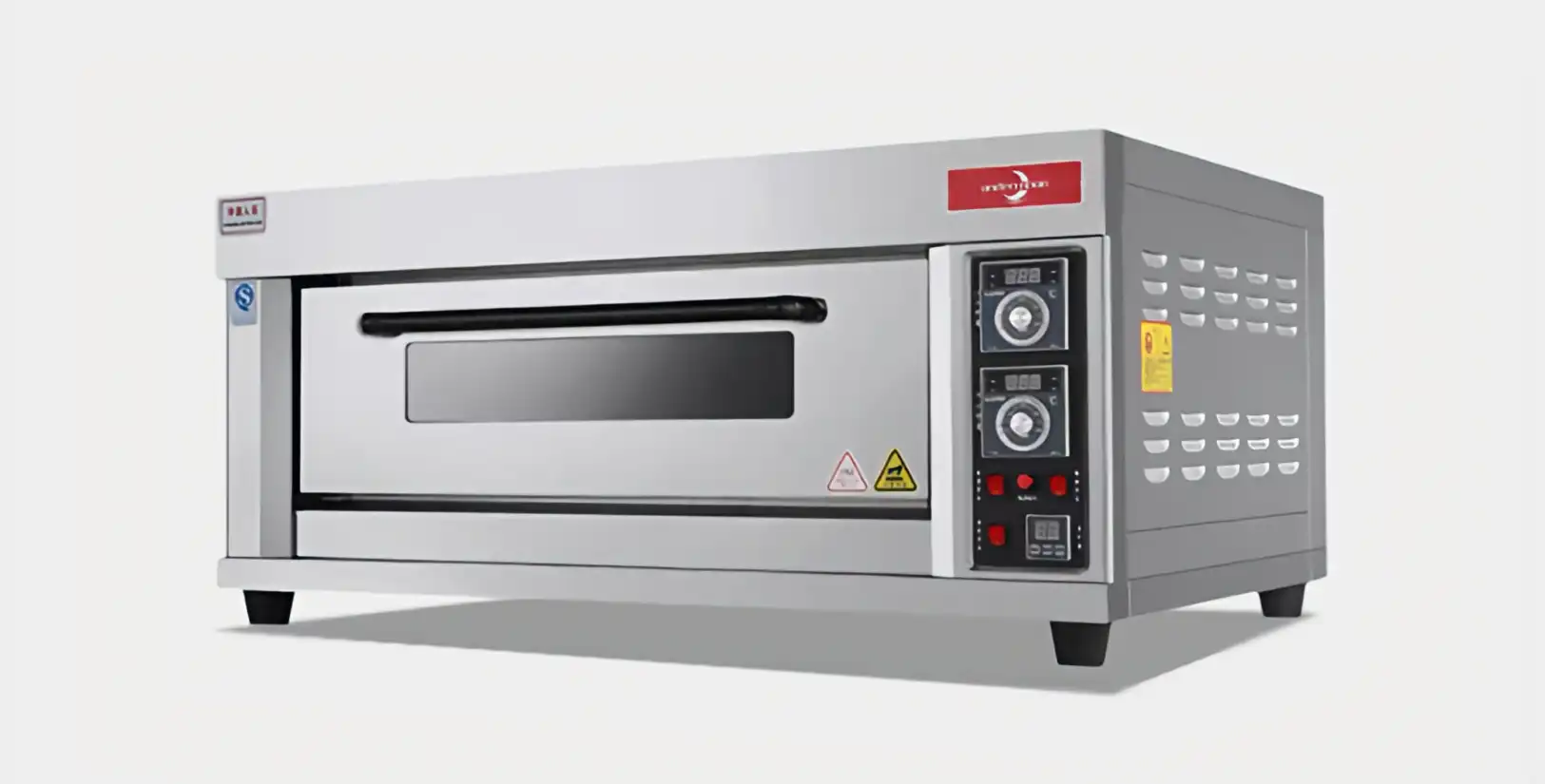
There is no doubt that the SL-KXD1-2 type is the best single-deck commercial bread baking oven for small bakeries. This electric oven has one level and two trays. It bakes like a professional and takes up very little space. It has fine temperature control up to 400℃ and separate heating elements. It is made of strong stainless steel and is mechanically simple, which meets the main needs of procurement managers who want reliable, energy-efficient equipment that keeps output steady while reducing operating complexity and upkeep needs.send inquiry.
Introduction
Small restaurants have a hard time finding the right balance between their ability to make goods and their limited space and money. Product consistency, energy costs, and customer happiness are all directly impacted by a well-chosen single-deck commercial bread baking oven, which is the key to business success. Procurement managers, operations directors, and food engineers know that the choices they make about tools have effects that last longer than the price they paid for them.
This guide helps business-to-business people buy industrial ovens by looking at technical specs, operational benefits, and criteria for judging suppliers. We use our 20 years of experience making commercial baking tools to give you useful information that helps you make smart investment choices. Whether you're a wholesaler buying for multiple clients, a chain bakery making sure that all of its locations use the same equipment, or a hotel group updating its kitchens, knowing the ins and outs of single-deck oven technology is important for making sure that your business goals and the equipment's capabilities are in sync.
Understanding Single Deck Commercial Bread Baking Ovens
Single-deck commercial bread baking ovens represent a specific type of industrial baking equipment that is designed to work continuously in tough production settings. Unlike home appliances, these professional units are made with industrial-grade parts that are made to last through repeated changes in temperature and the heavy use that is common in businesses.
Core Heating Technologies and Their Impact
Modern single-deck commercial bread baking ovens are mostly heated by electric systems with separate far-infrared heating elements on the top and bottom. This two-zone design lets workers finetune how heat is distributed so that it meets the needs of different kinds of bread. Different settings are needed for a delicate brioche that needs light burning on top and a baguette that needs strong bottom heat for the crust to form. This method is shown by the SL-KXD1-2 model, which has separate upper and lower settings that allow for what the makers call "baking balance adjustment"—changing the temperature of different heat zones without affecting the overall chamber temperature.
Temperatures usually run from room temperature to 400°C. This allows for a variety of baking processes, from making slow-fermented sourdough that needs mild heat to making pizza that needs fast, intense heat. The technical requirement to hit 200°C in fifteen minutes solves an important operational issue: cutting down on preheat time saves money on labor and speeds up production starts during busy times.
Compact Design and Space Optimization
Modern single-deck commercial bread baking ovens are 1220 mm long, 805 mm wide, and 560 mm high. This is the result of careful engineering that balances baking volume with space efficiency. This base can hold two full-size trays per cycle, making it good for small-scale production while still fitting into the small kitchens that most restaurants in cities have. Businesses that are located in high-rent areas where every square meter has high extra costs need to be especially smart about how they use their space.
Thermal Efficiency and Insulation Technology
High-density mineral wool insulation that is more than 100 mm thick is used in modern single-deck commercial bread-baking ovens to keep heat in for almost 95% of the time. This layer of insulation does two things: it keeps the temperature inside the room stable and keeps the outside of the room cool enough for safe use in busy kitchens. When heat insulation is thickened, energy use goes down straightaway, which is important to think about since power costs keep going up around the world. Operating costs are cut, and these saves add up over the life of the tools because of the higher power efficiency.
Comparing Single-Deck Ovens with Other Options
When making a purchase choice, it's helpful to know how single-deck commercial bread baking oven configurations stack up against other types of ovens on the business market.
Single Deck Versus Double Deck Models
Double-deck ovens stack two separate baking rooms vertically, which doubles the amount of work that can be done on the same amount of space. But this vertical growth comes with costs that small bakeries need to think about. The higher height makes it harder to load and unload trays, which could mean using step stools or changing how work is done. Capital costs almost double, and power needs rise in the same way, often calling for upgrades to the electrical infrastructure. When only one deck is in use, the energy used during times of partial usage is no longer useful.
Small bakers that make fewer than 100 loaves a day often find that single-deck commercial bread baking ovens are enough for their needs without the extra cost and difficulty of running a multi-deck system. Instead of just increasing theoretical capacity, the choice depends on how well demand and growth are predicted.
Electric Versus Gas Heating Systems
Although both energy sources can produce similar baking results when designed correctly, they work in different ways. Electric systems have accurate digital control, are easier to set up because they don't need vents, and work consistently even when gas pressure changes. Maintenance needs are still very low because there aren't many mechanical parts that can break. Gas stoves usually have lower running costs in places where natural gas prices are low, but they need ventilation systems, which make installation more difficult and cost more. The choice is usually based on local energy costs and existing cooking equipment, not on how well the bread bakes.
Steam Injection Capabilities
Optional steam pumping systems help the crust form by adding wetness during the first stages of baking. This gives artisan breads their shiny, crisp surface. The ability to use steam adds about 15 to 20 percent to the cost of the equipment and requires more upkeep for things like descaling and managing the water lines. Bakeries that make European-style breads can explain this investment by making their products stand out, but bakeries that make soft sandwich breads or cakes might not need to use steam injection. The SL-KXD1-2 always gets the same results because it uses controlled heating instead of steam, which meets the market's need for simple, reliable technology.
How to Choose the Best Single-Deck Bread Baking Oven – Decision Support for Procurement
Structured evaluation criteria make it easier to buy single-deck commercial bread baking ovens and lower the chance of expensive problems happening when equipment doesn't meet operating needs.
Production Capacity Alignment
To start, figure out how much daily output of each type of goods is needed. A bakery that makes 60 baguettes and 40 dinner rolls every day needs a different amount of space than one that specializes in decorated birthday cakes. The one-deck, two-tray arrangement works well for operations where batch sizes match tray sizes and baking processes can happen one after the other. Find the hourly throughput by dividing the baking chamber's capacity by the usual baking time. This will show you if the equipment specs match up with actual production schedules.
Energy Efficiency and Operational Costs
The 6.6kW power rate means that the machine will use energy continuously, which can be measured over normal work shifts. With modern business power rates averaging $0.12 to $0.18 per kilowatt-hour across the U.S., a single-deck commercial bread-baking oven that runs for six hours a day costs around $140 to $210 a month in direct energy costs. These numbers are directly affected by good insulation that stops idle heat loss. As part of the total cost of ownership research, procurement teams should ask for proof of energy efficiency and figure out how much they think it will cost to run the business each year.
Control Systems and Operator Interface
Mechanical control systems with real knobs and switches are easy to use and don't need much training, which is helpful in places where staff turnover is high. Digital programmable settings let you store recipes and set up automatic cycles, but they also add electronic parts that could be damaged by the heat and humidity in the kitchen. For operations that value simple utility over complex automation, the SL-KXD1-2's mechanical controls strike a good balance between ease of use and dependability.
Supplier Evaluation Criteria
Checking out equipment makers means looking at more than just the product specs. Check out the size of the production facility and the quality management systems that are in place. Well-known producers usually have ISO-certified facilities with written quality control methods. Ask for information on the failure rate; a failure rate of 0.3‰ means that the product is very reliable, thanks to well-established manufacturing methods and careful choice of components. Following certifications like CE, ETL, UL, NSF, and RoHS shows that you care about foreign safety standards and makes it easier to use your tools in places with different rules.
Financial Structuring Options
Buying capital tools can put a strain on cash flow, especially for businesses that are growing. Look into different ways to get money, like leasing tools, which can turn big upfront costs into reasonable monthly payments while keeping your working capital. Distributors and operators with multiple locations can benefit from bulk buying programs because they offer discounts based on volume and standard specs that make training and maintenance easier across all locations. OEM and ODM relationships make it possible for private-label goods that help brands stand out. This is especially helpful for importers who are starting to sell their own equipment lines.
Operation, Maintenance, and Performance Optimization
To get the most out of your single-deck commercial bread baking oven purchase, you need to know the best ways to run it so that it lasts longer and produces the same quality of work.
Temperature Management and Baking Protocols
For reliable results, the temperature must be set precisely based on the type of bread being made. For crusty artisan breads, the starting temperature should be around 230°C and should slowly be lowered. On the other hand, doughs that are loaded with sugar and fat should bake at 180–200°C to avoid browning too much. The separate upper and lower heating parts let you make changes, like raising the intensity of the bottom heat for hearth-style breads or focusing on the top heat for golden rolls. Keep thorough baking logs that record temperature settings, baking times, and results so that you can set regular procedures that reduce variation in the products you make.
Energy Conservation Strategies
Close doors as little as possible during baking stages to keep heat from escaping and needing to be recovered, which uses a lot of energy. When the door opens, the temperature drops. It usually takes 90 to 120 seconds for the room to get back to normal, which is the time when the heater elements use the most power. Plan production so that similar goods that need the same temperature are made at the same time. This will cut down on the number of times that big temperature changes are needed. Preheating ovens during off-peak power price times, when time-of-use rates apply, will move energy use to windows that cost less.
Preventive Maintenance Protocols
Cleaning equipment regularly keeps it working well and extends its life. Cleaning the chamber floors every day of crumbs and other garbage keeps carbon from building up and changing how heat is distributed. Every week, door locks should be checked to make sure they are properly closed, which keeps heat in and wastes energy. Independent thermometers are used every month to prove the accuracy of the control system's temperature readings, which is necessary to keep the product's stability. Quality units are made of stainless steel, which makes them easier to clean and protects against rusting that can happen in high-humidity baking settings.
Monitoring the wear on a component lets you change it before it breaks down and stops production. Heating parts usually last between 8,000 and 10,000 hours of use before they start to lose performance. By keeping track of when things were installed and how often they were used, you can replace them at a set downtime instead of having to make fixes right away. Partner with manufacturers who can provide technical help and easily available parts. When production dates come up, you'll see how valuable this relationship is.
Top-Rated Single Deck Commercial Bread Baking Ovens in 2026
Several companies make single-deck commercial bread baking ovens that stand out because of their cutting-edge technology and great customer service.
Industry-Leading Performance Standards
For 20 years, Undermoon has worked on making industrial ovens, specializing in both electric and gas models. This has helped the company become well-known. The company's standard production facilities have strict quality control at every stage of production, from choosing the parts to doing the final check in the plant. This methodical approach leads to the very low failure rate of 0.3‰ across their entire product line, which is less than one failure for every 3,000 units made.
This level of production development can be seen in the SL-KXD1-2 model. The outside is made of 304-grade stainless steel, which is resistant to corrosion and long-lasting in harsh industrial settings. The inside sections are strengthened so they can handle repeated temperature changes without warping. The three-dimensional balanced heating system spreads heat evenly across baking areas, getting rid of the hot spots that make browning uneven, which is a common problem with cheaper equipment.
Real-World Application Success
After pilot testing at two shops, a regional bakery business with twelve locations in the Southeast US switched all of their equipment to the SL-KXD1-2 model. The consistent quality of the output made it possible to create unified recipes that could be used in all places. This made operations easier and training less complicated. With its small footprint, it was especially useful in cities where cooking rooms were expensive to rent. Monitoring energy use showed that their running costs were 18% lower than when they had a mixed collection of equipment before, which helped improve unit economics in a measurable way.
Technical Support and Service Infrastructure
The exact temperature control is needed in a hotel dessert department that serves breakfast to more than 200 guests every day. This is so they can make delicate items like croissants and Danish pastries along with heartier ones. The simple mechanical controls were helpful because the cooking staff changed often and had different levels of skill. New team members learned how to use the system in days, instead of the weeks it takes for complex computerized systems.
Undermoon has a lot of experience making things, which means they can give full customer help that includes answering technology questions, improving operations, and giving maintenance advice. Customization options from OEM and ODM allow for specific voltage needs, panel layouts, and capacity requirements. This is especially helpful for buyers who are selling to markets that have their own rules or equipment tastes. Because of its freedom and reasonable pricing, the company is well-suited for bulk buying deals that wholesalers and owners of multiple units are looking for.
Conclusion
To choose the best single-deck commercial bread baking oven, you have to weigh the technical specs against the practicalities of running a business and your budget. The perfect baking tools consistently bake within the available space and budget, with the least amount of upkeep and running costs. Models like the SL-KXD1-2 show how engineering can be used to meet realistic business needs: they have reliable mechanical controls, energy-efficient insulation, accurate temperature control, and strong construction. In the end, successful procurement relies on carefully analyzing what is needed, carefully evaluating suppliers, and working with manufacturers who are committed to quality products and customer service over the long run.
FAQ
What baking capacity should I expect from a single-deck commercial oven?
Depending on the size of the product, a normal 1-deck 2-tray setup can hold between 12 and 24 specialty loaves or 40 to 60 dinner rolls per cycle. Hourly throughput depends on how long the products are baked, but it's usually between 80 and 150 items for mixed scheduling, which is good for small bakers that serve local markets.
How does energy efficiency compare between single- and double-deck models?
When both are running at full capacity, single-deck units use about 55–60% as much energy as double-deck units. On the other hand, single-deck efficiency benefits greatly during times of partial usage, which is typical in small bakeries. This is because you don't have to keep thermal mass in chambers that aren't being used, which could lead to 40% lower costs during slower production periods.
What maintenance routines are essential for longevity?
The base is made up of daily cleaning to get rid of crumbs and other waste, weekly inspections of the door seals, and monthly checks to make sure the temperature is correct. Plan to check the heating element every 2,000 hours of operation and keep thorough service logs that keep track of when parts need to be replaced. This will allow for proactive maintenance that avoids unplanned downtime.
Partner with a Trusted Single-Deck Commercial Bread Baking Oven Manufacturer
Undermoon has twenty years of experience making single-deck commercial bread-baking ovens and can help small and medium-sized bakeries all over the world find cost-effective options. Our SL-KXD1-2 single-deck type is an example of advanced engineering because it has the lowest failure rate in the industry (0.3‰), precise temperature control, and low energy use. We help business-to-business (B2B) customers like kitchen contractors, chain owners, and wholesalers by offering open OEM/ODM customization, low bulk prices, and quick expert service. Get in touch with undermooncn@gmail.com to talk about your unique needs and find out how our certified, reliable tools can help your bakery or product line.
References
1. Baker, J. M. (2023). Commercial Baking Equipment Selection for Small-Scale Operations. Culinary Institute Press.
2. Chen, L., & Rodriguez, A. (2024). "Energy Efficiency Benchmarking in Professional Bakery Equipment." Journal of Food Service Technology, 18(2), 145-162.
3. National Restaurant Association. (2024). Kitchen Equipment Procurement Guide for Commercial Food Service. NRA Educational Foundation.
4. Peterson, R. K. (2023). Thermal Management Systems in Commercial Ovens: Engineering Principles and Applications. Industrial Press.
5. Sullivan, M. T., & Kim, H. J. (2024). "Quality Control Protocols in Commercial Baking Equipment Manufacturing." International Journal of Food Equipment Engineering, 12(1), 78-94.
6. Williams, D. P. (2023). Small Bakery Operations Manual: Equipment, Processes, and Profitability. Artisan Bread Publishers.
Online Message


