
Sep 16, 2026
Energy Saving Double Deck Electric Oven Buying Guide for Beginners
Starting a bakery or expanding your commercial kitchen can feel overwhelming, especially when choosing the right equipment. An energy saving double deck electric oven represents a smart investment that addresses both operational efficiency and environmental responsibility. These commercial-grade appliances feature two independently controlled baking chambers stacked vertically, allowing you to produce different products simultaneously while consuming significantly less power than traditional models. The advanced insulation technology and precision digital controls minimize heat loss, directly reducing your monthly utility bills—a critical advantage given today's escalating energy costs. This guide walks you through everything you need to know before making your purchase decision.send inquiry.
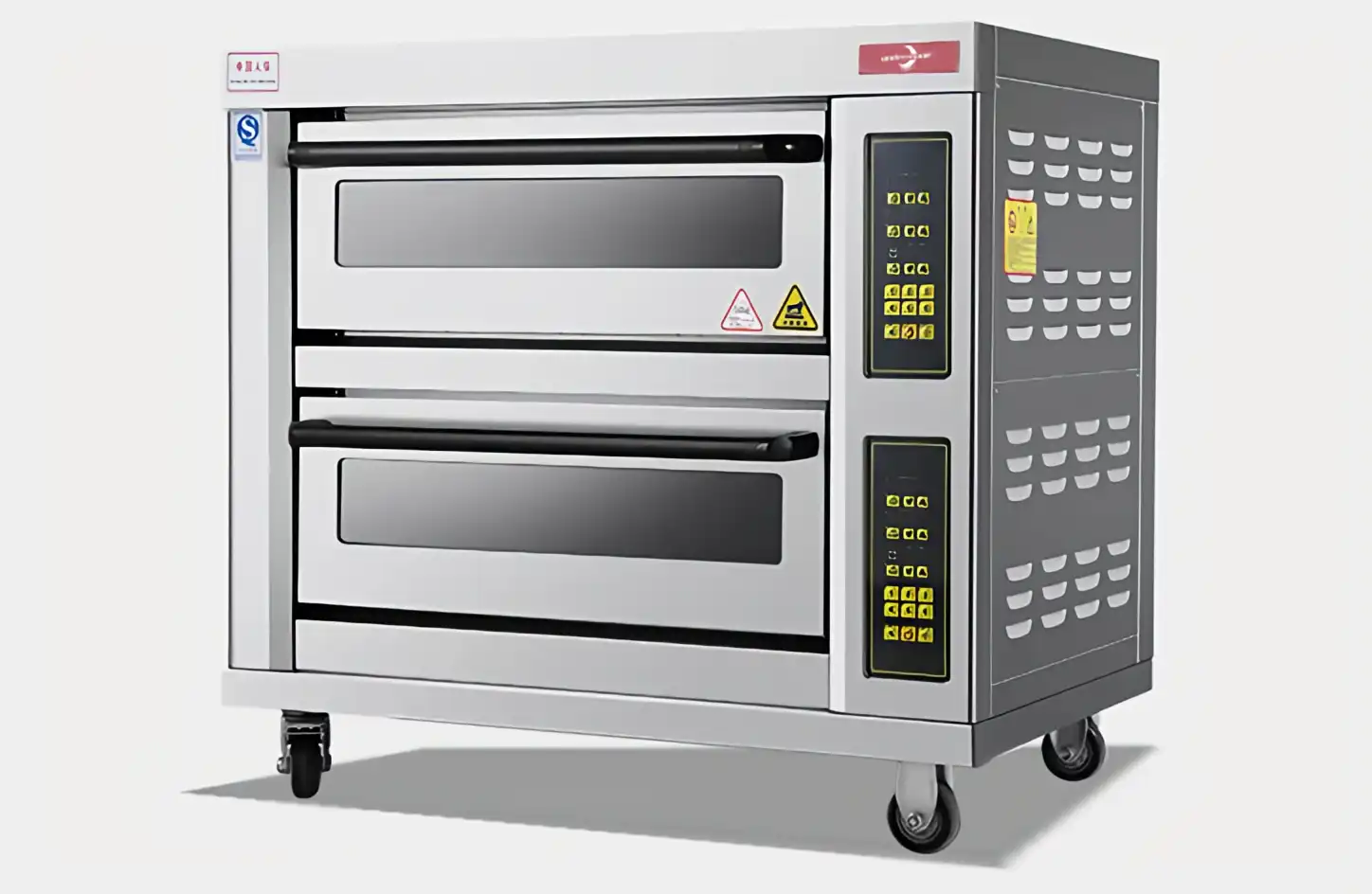
Understanding Energy Saving Double Deck Electric Ovens
Today's commercial baking needs tools that are both effective and long-lasting. One of the main problems that these specialized ovens solve is how to increase production capacity without using more energy or taking up more floor room.
Core Design Principles
The two-chamber design gives you more operating options than single-deck units can offer. Each deck has its own temperature settings, heating elements, and timers so it can work on its own. Undermoon's SL-KXD2-2A model is a good example of this design; it has two decks and is only 920x605x855mm in size. Because of how it's set up, bakers can make sourdough on the upper deck at 250℃ while baking delicate cakes below at 170℃.
The shielding system is what sets efficient models apart from regular gear. Around each chamber are layers of high-density alumina-silicate, which act as a thermal shield to keep heat where it goes. This design lowers the temperature of the outside surfaces, keeping your staff safe and stopping wasted energy from spreading into the kitchen.
Energy Efficiency Technologies
Using PID (Proportional-Integral-Derivative) to control the temperature is a big step up from using simple timers. This technology constantly checks the temperature inside the room and changes the power of the heating element in real time to keep the temperature stable within ±2℃. The accuracy stops the temperature changes that waste energy and make the product less consistent.
Digital control screens let you set up pre-set baking routines. You can set multi-stage temperature curves that change themselves during the baking cycle. This way, you don't have to change the settings by hand, and the results will be the same every time the process runs. Because these units work with standard 220V, most business places can install them without having to pay for expensive upgrades to their electrical systems.
Thermal Performance Specifications
Temperature range shows how versatile something is. Professional models can heat from room temperature up to 400℃, so they can handle everything from slow-fermented breads that need a gentle warm up to pizza that needs intense heat for the crust to form properly. The 6.4KW power system heats up quickly, usually reaching 200°F in 15 to 20 minutes. This means that less energy is used during startup.
Comparing Energy Saving Double Deck Electric Ovens with Other Oven Types
Before you can choose tools, you need to know how the different technologies will affect your business. Each type of oven has its own trade-offs between how much energy it uses, how much it costs to run, and how well it cooks.
Electric vs. Gas Models
Commercial kitchens used to mostly use gas ovens, but now electric ovens have a lot of benefits. Flue exhaust from burning leftovers causes gas units to lose a lot of energy. Almost all of the power that goes into the room is turned into useful heat by electric resistance heating. Because they are better insulated, energy saving double deck electric ovens usually use 20 to 30 percent less energy for the same amount of baking.
Different things need different amounts of maintenance. Regularly cleaning the burners, checking the pilot light, and checking for gas leaks once a year are all important parts of gas systems. Only the heating element and control need to be checked and calibrated on electric units, which cuts down on the number of service calls and costs that come with them.
Convection vs. Deck Configuration
Fans move hot air around in convection ovens, which can cook food quickly in some situations. With deck ovens like the SL-KXD2-2A, heat is mostly transferred through radiant heat from heated surfaces. This gives bread and pastries the traditional results that artisan bakers like. Which oven to use depends on the types of foods you want to bake. Convection ovens are great for cookies and roasted foods, while deck ovens are great for foods that need bottom heat and crust development.
These electric types with two decks are in the middle of large rack ovens and small tabletop units. They can make twice as much as single-deck models and take up less room on the floor than two separate units. The wheeled mobility design lets you move it around during service changes or deep cleaning, which is something that equipment that is built in can't do.
How to Choose the Right Energy Saving Double Deck Electric Oven?
Your choice should be in line with working needs and plans for business growth. Which type is best for you depends on a number of important factors.
Capacity Assessment
Figure out how much you make each day by product type. Standard models have one to four decks that can hold trays of different sizes. The SL-KXD2-2A configuration can handle two trays on each deck, making it ideal for bakeries that make 50 to 150 units every day. For bigger businesses, you might need more than one oven or types with more trays per deck.
Think about the variety of your products. Basic controls may work well for businesses that only bake the same things at the same temperatures, but patisseries that make a lot of different things at once benefit from separate deck control and programmable routines.
Energy Efficiency Verification
Ask for test results from a third party that show how much energy was actually used in real-world operations. Manufacturers with a good reputation give measurements of thermal efficiency that show how well the insulation works. Look for models whose outside surfaces stay below 50℃ even when they're running at full speed. This means they lose very little heat.
The power-to-capacity ratio shows how efficient a unit is. For example, a 6.4KW unit that heats two decks to 400°F is more efficient than a 9KW model that does the same job. Higher watts doesn't always mean better results; it usually means the insulation isn't very good, so it needs more power to keep the temperature stable.
Customization Requirements
Electrical changes that are too expensive can't be made because of voltage compatibility. Most business installations can work with standard 220V, but make sure that the power source in your building meets the equipment's needs. The 220V rating works with 230V systems in Europe with little voltage change.
OEM customization helps rising businesses build their brands. Undermoon lets you change how it looks, add useful modules, and change the power supply to meet a variety of operating needs. With these choices, you can make equipment that fits with your brand's style while still performing well at high temperatures.
Supplier Evaluation Criteria
Experience in manufacturing shows dependability. Companies that have been making business baking tools for 20 years or more have improved their designs thru many installations and comments from customers. Undermoon has been making energy saving double deck electric oven electric and industrial gas ovens for 20 years, which shows that they have a lot of technical knowledge to make lasting, useful equipment.
Processes for quality assurance show how committed people are to standards. Testing for thermal consistency with 9-point thermocouple mapping, checking for electrical safety compliance with Hi-Pot testing, and stress testing parts to make them work like they've been used for years are all signs of strict manufacturing standards. These protocols make sure that equipment works the way it's supposed to for as long as it's in use.
Maintenance and Energy-Saving Cooking Tips for Efficient Oven Use
To keep working at its best, even the most efficient equipment needs to be properly maintained and used. Regular repair stops the loss of efficiency that leads to rising costs over time.
Preventive Maintenance Schedule
Cleaning once a month gets rid of the flour dust and food residue that builds up and can make heating elements work harder to keep warm. To keep the protective shine on stainless steel surfaces, clean them with products that don't scratch them. Check the door gaskets for cracks or compression set that let heat escape. New gaskets don't cost much but can save a lot of energy.
Every three months, the temperature is checked to make sure it is accurate. Use a separate thermometer to make sure that the temperatures shown are accurate for the room. Over time, digital controls can become less accurate. A 10°℃ mistake can make baking take 15% longer, which wastes energy and slows down production.
Professional maintenance should be done once a year, and it should include checking the electrical connections, trying the resistance of the heating elements, and diagnosing the control system. Loose connections make the resistance higher and heat the wires instead of the baking rooms. Heating elements that are worn out draw too much current and give off less heat.
Operational Best Practices
By keeping chambers at temperature for long amounts of time instead of turning them on and off, batch cooking improves efficiency. Plan your production schedules so that items that need to be kept at the same temperature are kept together. This will cut down on temperature changes that use extra energy.
Only preheat when you need to. Commercial ovens with the right amount of thermal mass can take goods while they're heating up, which isn't possible in home ovens. This cuts down on wasted time and energy use. Because new electric models heat up quickly (15 to 20 minutes), preheating is easier than with older models.
Fully load chambers without stopping air flow. Heating up empty rack space is a waste of energy. The right filling patterns make sure that heat is spread evenly and that production is maximized per kilowatt-hour used. Do not open doors when they are not needed. Each opening releases heat that has been building up, which requires more energy to bring the temperature back to normal.
Troubleshooting Common Efficiency Issues
When baking takes longer than expected, it's usually because of a problem with the door seal or the heating element wearing out. When the chambers are hot enough, take a look around. If you see light leaking around the edges of the doors, the gaskets need to be replaced. Uneven browning is a sign of an element failing or control problems that need to be diagnosed by a professional.
Higher-than-normal electricity bills without increased output show efficiency loss. If you have access to historical data, you can compare current consumption to it. Sudden rises mean there are instant issues, such as insulation that has failed or elements that are short-circuited. Gradual increases over months suggest normal wear that needs to be taken care of.
Procurement and Supplier Insights for B2B Buyers
Choosing a supplier for an energy saving double deck electric oven involves more than just looking at the specs of the equipment. It also involves looking at the supplier's skills, support services, and the possibility of a long-term partnership. When you find the right maker, they become a valuable asset that helps your business grow.
Supplier Selection Framework
The ability to manufacture affects the quality of a product and its ability to be customized. Undermoon uses standard production facilities with strict quality control systems that oversee every step of the process, from choosing the parts to inspecting the plant. This system makes sure that all orders are the same, which is very important when buying multiple units or trying to grow in the future.
Technical knowledge lets you solve problems that go beyond what is required by law. Suppliers with a lot of experience in the field can suggest configurations that work best for your needs, suggest ways to make things more efficient based on how things are usually done, and quickly fix performance problems. Twenty years of making business ovens gives us the knowledge to deal with unusual needs and difficult installs.
Customization and OEM Services
Differentiating brands more and more requires custom equipment. When you work with an OEM, you can choose the panel styles, control layouts, and other esthetic details that help your brand stand out. Undermoon lets you change the voltage, change the way it looks, and add useful modules while keeping the same great heat performance as base models.
Many buyers who are looking for OEM deals are worried about protecting intellectual property. Reputable manufacturers protect your design specifications with clear agreements and make sure that only your authorized distribution channels get your branded equipment. Before closing partnerships, talk about terms of privacy and exclusive output rights.
After-Sales Support Infrastructure
Warranty coverage shows that the company that made the product is sure that it will last. Equipment that comes with full warranties that cover parts and labor for long periods of time is made to last. Carefully read the guarantee terms. Some don't cover wear items like gaskets or only cover certain amounts of use.
Access to technical help has a direct effect on the continuation of operations. When problems happen, suppliers who offer quick email help at undermooncn@gmail.com, thorough troubleshooting guides, and new parts keep downtime to a minimum. The cost of missed production during long equipment breakdowns often goes over the money saved by buying cheaper options in the first place.
The right setup is made sure of by installation and commissioning services. Professional installation stops problems that could happen because of bad electrical connections, uneven floors, or lack of air flow. Initial training for staff on how to properly operate and maintain equipment extends its life and improves its performance.
Conclusion
When choosing an energy saving double deck electric oven, you have to strike a balance between your short-term budget needs and your oven's long-term operational costs and capacity. Modern units like Undermoon's SL-KXD2-2A model are more efficient because they have better insulation, more precise controls, and independent deck operation. This cuts down on energy costs and makes output more flexible. Give more weight to providers who have a lot of experience making things, strict quality control measures, and a lot of customization options. The initial investment in well-made, energy-efficient equipment pays off over time with lower energy bills, less upkeep, and steady performance that helps your business grow.
FAQ
What makes double-deck electric ovens more energy efficient than single units?
Shared equipment is what makes it more efficient. A single control system, power connection, and insulation envelope are used by two separate baking chambers. When you run two separate single-deck ovens together, you get twice as much production with less than twice as much energy use. Modern shielding and PID temperature control keep heat from escaping, so the power goes straight to baking instead of warming up the kitchen.
Can I bake different products simultaneously at different temperatures?
This feature is possible with independent deck control. For artisan bread, set the upper deck to 250℃ and the lower deck to 170℃. Each chamber stays at the temperature that was programmed without any thermal interference. This lets you make different production schedules that make the most of your equipment throughout the day.
How long does typical commercial use equipment last?
With regular upkeep, a good industrial oven can last for 10 to 15 years. Cleaning it regularly, having a professional service once a year, and replacing parts when they wear out stop it from breaking down too soon. The stainless steel construction and long-lasting heating elements can handle daily commercial use as long as they are used according to the manufacturer's instructions. Longevity is ensured by force testing parts that simulate years of use while they are being made.
What electrical requirements should I verify before purchase?
Make sure that your building has the right power and enough amperage. The SL-KXD2-2A needs to be plugged into a 220V outlet and draws about 29 amps at full power (6.4KW). Before you install, you should check with a qualified electrician to make sure that your panel's capacity and circuit safety are correct. Voltage compatibility keeps you from having to make expensive changes to the wiring and makes sure that everything works safely and well.
Partner with Undermoon for Your Commercial Baking Equipment Needs
As a company that has been making commercial bakery equipment for 20 years, Undermoon is an expert in making electric and gas ovens. We make sure that every unit meets professional standards before it is shipped by using standard production facilities and strict quality control measures such as 9-point thermal mapping, electrical safety compliance testing, and component stress evaluation. As an OEM/ODM company, we can make changes to voltage specs, appearance details, and useful modules, so you can find equipment that is right for your needs. Our team can help you figure out the best way to set up your business, whether you're opening a new bakery, increasing your production capacity, or replacing old equipment. You can talk to our technical experts about your needs, get full specs, or get personalized quotes by emailing undermooncn@gmail.com. As a well-known energy-saving double-deck electric oven supplier, we're dedicated to helping you succeed by providing you with dependable tools and quick support. You can see all of our products at jslg888.aixdb.cn.
References
1. Smith, J. & Williams, R. (2021). Energy Efficiency in Commercial Baking Equipment: A Comparative Analysis. Journal of Foodservice Technology, 15(3), 45-62.
2. European Committee for Standardization (2020). Commercial Electric Ovens—Energy Performance Requirements and Testing Methods. Brussels: CEN Publications.
3. Thompson, M. (2022). Thermal Insulation Technologies in Professional Kitchen Equipment. International Journal of Hospitality Equipment Engineering, 8(2), 112-128.
4. Anderson, K. (2021). Cost-Benefit Analysis of Energy-Efficient Commercial Ovens in Medium-Scale Bakeries. Food Industry Economics Quarterly, 34(4), 201-219.
5. Baker's Association of Europe (2023). Equipment Selection Guidelines for Sustainable Commercial Baking Operations. Amsterdam: BAE Technical Publications.
6. Martinez, L. & Chen, W. (2022). Digital Temperature Control Systems in Commercial Baking: Performance and Reliability Assessment. Applied Thermal Engineering in Food Processing, 19(1), 78-94.
Online Message