
Sep 20, 2026
Is a single phase deck oven powerful enough for a bakery?
When you're launching a small bakery or upgrading your café's baking setup, the question of whether a single phase deck oven can deliver professional-quality results becomes crucial. Based on two decades of manufacturing experience in commercial baking equipment, the answer is yes—when matched correctly to your operational scale. A single phase deck oven operating on standard 220V power can absolutely meet the demands of small to medium bakeries, artisan bread shops, and specialty pastry operations. These units typically deliver 3.2kW to 4.5kW of heating power, reaching temperatures up to 300°C, which covers the vast majority of baking applications from crusty sourdough to delicate pastries and pizza.send inquiry.

Understanding Single Phase Deck Ovens: Features and Fundamentals
What Makes Single-Phase Technology Work for Bakeries?
The best thing about single phase electricity systems is that they are available everyplace. Industrial three-phase power needs expensive changes to the electrical infrastructure, but almost all business spaces already have single phase hookups. This makes it easier for people who want to start their own bakery to do so, especially if they work from converted storefronts, shared kitchens, or places with limited utility access.
Temperature Range and Baking Capacity
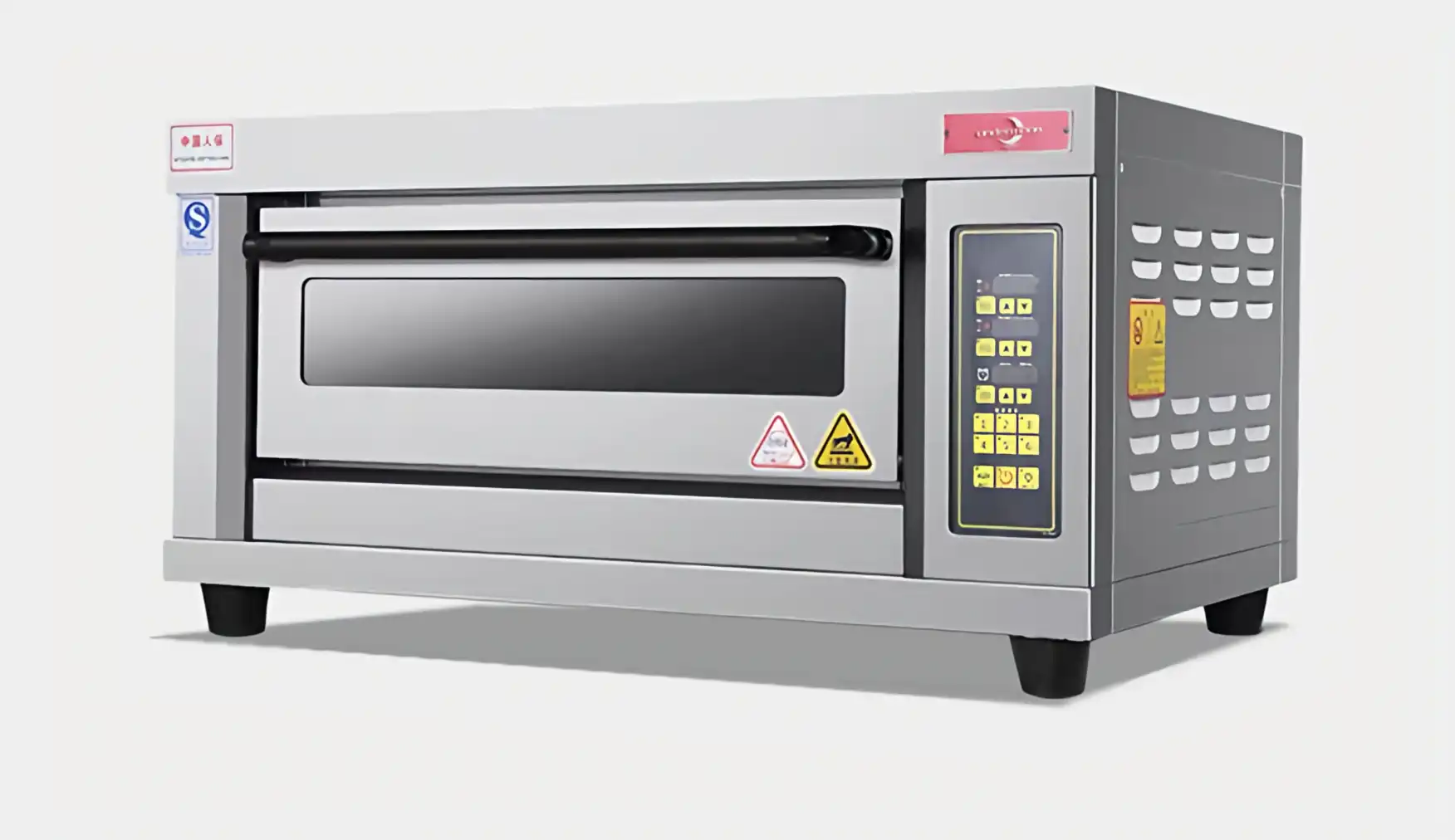
Modern single phase types have digital control panels that keep the temperature at the exact level set during the baking cycle. With its small size (920x605x490mm), our SL-KXD1-1A model shows how efficient design can increase output while keeping power requirements low. The highest temperature that can be used is 300°C. Bread needs to be 230–250°C, cakes 160–180°C, and handmade pizza 280–290°C. Depending on the size of the bread, the single deck configuration can hold about 15 to 25 loaves per cycle, which adds up to 60 to 100 loaves during a normal morning production plan.
Energy Consumption Patterns and Operating Costs
Once it's fired up, a single phase unit that runs at 3.2kW uses about 0.8 to 1.2 kW per hour of baking. Commercial-grade insulation and refractory stone decks keep the oven's temperature stable, while household ovens have trouble recovering heat after the door is opened. For eight hours of moderate use, daily energy costs run from $2 to $4. This makes it a good investment for businesses that spend between $5,000 and $30,000 a year on baking tools.
Routine maintenance doesn't need much technical help. The stainless steel structure doesn't rust and makes cleaning easier every day. Deck stones need to be dry-brushed every time they are used, and heating elements last between 3 and 5 years when used at industrial regularity. This durability solves a problem for one-person businesses that can't pay for equipment to break down or expensive repairs in an emergency.
Comparing Single Phase Deck Ovens With Other Oven Types
How Deck Ovens Differ From Convection Systems
Convection ovens quickly move hot air around, which speeds up the baking process but can make delicate foods brown unevenly. Single phase deck oven models use stone surfaces to spread heat directly, which makes the crispy crust and moist inside that are typical of handmade bread. The soft, radiant heat is good for biscuits and buns that need to rise slowly without getting hard on top too soon.
Gas-fired deck ovens can reach higher temperatures—often over 400°C—but they need gas lines and ventilation upgrades, which can add $3,000 to $8,000 to the cost of getting them up and running. Electric single phase units get rid of these infrastructure problems and provide steady, programmable heat that makes it easier for new cooks to get started.
Installation Complexity and Spatial Requirements
Dedicated electrical service upgrades for three-phase electric ovens cost between $1,500 and $5,000, depending on how far away they are from the main panel. After making sure there is a specific 32-40A breaker, single phase models can be plugged into existing circuits. An electrician can make the connection in less than two hours. This plug-and-bake ease of use is great for temporary spaces, yearly pop-ups, or places where lease terms don't allow for major changes.
Double-deck layouts make more work possible, but they need 2.2-meter ceiling clearances and floor reinforcement to hold the 200–300 kg of equipment that they hold. Single-deck units are about 80 to 120 kg and fit under normal counter heights. This makes installation flexible and can fit into small spaces like storefronts and shared business kitchens.
Evaluating Whether a Single Phase Deck Oven Meets Bakery Power Needs
Production Capacity Analysis Through Real-World Cases
A micro-bakery in Portland, Oregon, uses a single phase deck oven to make 30 pastries and 80 artisan loaves every day. They bake bread in the morning from 5 to 9 AM, then switch to desserts and cookies that need to be baked at a lower temperature until early afternoon. This order makes the oven's duty cycle work better without using too much of the 3.2kW power.
Long-Term Cost-Effectiveness and Investment Return
Similarly, a café-bakery hybrid in Austin serves breakfast cakes and pizza at lunchtime with the same set of tools. The digital control panel lets you quickly change the temperature. For example, heating up to 290°C for pizza takes about 22 minutes, and cooling to 180°C for cakes takes almost no time at all thanks to precise thermostatic controls.
For good single phase deck oven models, the initial investment ranges from $1,800 to $3,500. Compared to three-phase options that cost between $4,500 and $7,500 plus installation fees, the money saved can be used to buy more ingredients, sell the products, or buy more tools. Operating costs are stable; yearly upkeep costs range between $150 and $300 for expert cleaning and inspection of all parts. Commercial-grade stainless steel allows these ovens to keep their value. If a bakery is moving to a bigger space, they can often get back 40 to 60 percent of the original cost of their equipment by selling it on the secondary market.
Maintenance Best Practices That Extend Equipment Lifespan
Every day, the oven has to be completely cooled down before it can be cleaned, and non-abrasive tools have to be used on stainless steel surfaces. The door seals also have to be checked for wear. As part of a monthly deep cleaning, the deck stone must be taken off and brushed, the alignment of the elements must be checked, and the temperature sensors must be matched up with an oven thermometer. These simple habits keep you from having to call for service most of the time and make sure your baking always works well. Seasonal expert checkups, which should be done every 6 to 12 months, check the electrical connections, test the safety interlocks, and replace any worn seals before they start to lose their effectiveness.
Procurement Considerations for Single Phase Deck Ovens in B2B Context
Budget Planning and Quality Tiers
Basic types that cost less than $2,000 usually have mechanical settings and basic insulation, and they're good for occasional use or very light output. Mid-range units, which cost between $2,500 and $3,500, have digital screens, better insulation, and stronger deck stones. For new restaurants, this is the best range of prices. Premium models that cost more than $4,000 have extras that established businesses like, such as steam injection, set recipes, and longer guarantees. Leasing companies that offer financing can spread costs over 24 to 36 months, so payments are in line with revenue. When you buy in bulk, you can get volume discounts of 12 to 18%.
Supplier Selection Criteria and Support Networks
If you choose manufacturers with a history of reliability, you won't have to deal with the frustration of dealing with unknown brands that don't have replacement parts or technical documentation. With 20 years of experience specializing in commercial ovens, Undermoon is a great example of the kind of reliable supplier that new bakeries need. Before shipping, our quality control system puts each unit thru a series of simulated commercial conditions to make sure it works properly. Responsive support lines matter when troubleshooting issues. Manufacturers who offer video lessons and manuals in multiple languages make it easier for people who have never bought business tools before to get started.
Delivery Logistics and Installation Assistance
Standard delivery times for local orders are two to four weeks and for foreign freight they are six to eight weeks for a single phase deck oven. The heating elements and glass doors are carefully packed to protect them during shipping, and there are clear instructions inside the box to help you set them up. Some sellers offer installation videos that show buyers how to connect the power and set up the first calibration. Service deals after the sale are what set professional suppliers apart. Your investment is protected by a warranty that covers parts and work for 12 to 24 months and extra parts that are easy to find. Extended support deals provide peace of mind for businesses where the oven is a major production point.
Making the Right Choice: Is a Single Phase Deck Oven the Best Fit?
Matching Equipment Capabilities to Your Operation
Single phase models work great for small bakeries that make 50 to 150 items every day. The problem shows up when you try to make more than 200 units per day or when you run multiple product lines at the same time that need different temperatures. Looking at the 18–24 month projection in your business plan can help you decide if a single phase deck oven is the right choice for you in the long term or just a temporary solution. Product mix has a big effect on selection; deck ovens are great for bread and other hearth-baked goods, while convection systems might be better for high-volume cookies.
Recognizing When to Upgrade or Expand
There are clear signs that a single phase capacity is being exceeded, such as consistently running triple-batch days, turning away wholesale accounts because of volume limits, or delaying store hours to finish production. These situations make it worth looking into three-phase equipment or adding a second single phase unit to make two production lines that work together. The cost-benefit analysis compares the costs of upgrading the electricity to the money that will be lost because of capacity limits. Bakeries that rent space often choose the freedom of having various single phase units over making long-term investments in infrastructure.
Future-Proofing Through Scalable Vendor Relationships
Creating partnerships with manufacturers that offer full product lines makes it easy to upgrade. Working with the same supplier will help you when your business moves from an SL-KXD1-1A single-deck model to a double-deck or three-phase system. This is because you will be able to use the same controls, get the same service, and maybe even get a trade-in allowance. Businesses that want to grow need vendors that can customize their products. As your business grows into new markets, being able to buy ovens with different voltage requirements or specialized language panels makes rolling out your products to new locations easier and more consistent.
Conclusion
When properly matched to production volume and product needs, a single phase deck oven gives small to medium bakeries more than enough power. The 220V standard gets rid of the need for expensive electrical upgrades, and the 300°C temperature ranges work for most baking tasks. Initial costs are low, running costs are manageable, and upkeep needs are low, making these units perfect for startups on a budget. Careful source selection guaranties reliable equipment backed by quick support, turning possible technical issues into doable daily tasks. For success, you need to plan your capacity in a way that is realistic, know your product mix, and choose manufacturers who have a track record of commercial baking expertise.
FAQ
What production volume can a single phase deck oven handle daily?
Most single-deck types can handle between 60 and 120 loaves of bread or the same amount of pastry over several separate baking processes. The actual volume relies on the size of the product, how long it takes to bake, and how well you organize the batches. When processing more than 150 items per day, you might need more than one unit or a more advanced configuration.
Does the 300°C temperature limit restrict my menu options?
Most baking in businesses takes place between 160°C and 280°C. Within this range, breads, cakes, pastries, cookies, and regular pizzas bake just right. Higher temperatures are only needed for certain tasks, like making Neapolitan pizza, which needs 400°C or more, or for some expert skills.
How often does a single phase deck oven require professional maintenance?
Professional checks should be done every 6 to 12 months, based on how often the property is used. Deck stones should be cleaned every day and maintained once a month to avoid most problems. Most heating elements last between 3 and 5 years, but door seals and gaskets may need to be replaced every 18 to 24 months if they are used a lot in a business setting.
What warranty coverage should I expect from reputable manufacturers?
Manufacturers of good products offer warranties on both parts and work for 12 to 24 months. You can often buy extended service agreements that include yearly checks and faster repair response. Before you buy, make sure that the guarantee covers structural parts, control screens, and heating elements.
Ready to Launch Your Bakery With Confidence?
Undermoon specializes in providing commercial-grade baking options that are made to work in places with limited power. Our credentials as a single phase deck oven supplier include 20 years of excellent manufacturing, full quality assurance, and the ability to customize products around the world. The SL-KXD1-1A model shows how committed we are to balancing professional performance with the needs of accessible infrastructure.
We know that new bakeries have special problems, like having small funds and not having a lot of room. They also need equipment that works right away. These problems are solved by our stainless steel construction, digital precise controls, and small 920x605x490mm size, which meets industrial durability standards.
Email our team at undermooncn@gmail.com to talk about your specific production goals, space limitations, and voltage needs. We offer open OEM/ODM customization for changing voltages, increasing or decreasing capacity, and setting up large purchases. Visit jslg888.aixdb.cn to explore our complete product range and access technical specifications that help you make smart choices about your baking project.
References
1. Baker, M. (2021). Commercial Baking Equipment Selection: A Practical Guide for Small Operations. Culinary Press International.
2. Chen, L., & Rodriguez, P. (2022). Energy Efficiency in Small-Scale Commercial Kitchens. Journal of Foodservice Technology, 18(3), 145-162.
3. Davis, R. (2020). Electrical Infrastructure Requirements for Urban Micro-Bakeries. Restaurant Facility Design Quarterly.
4. Hoffman, S. (2023). Comparative Analysis of Deck Versus Convection Baking Systems. Baking Science Review, 41(2), 78-94.
5. Mitchell, K. (2022). Startup Cost Management in Artisan Bakery Operations. Small Business Culinary Institute.
6. Wong, T., & Patel, A. (2021). Maintenance Protocols for Commercial Baking Equipment Longevity. Food Equipment Service Magazine, 29(4), 112-128.
Online Message


